Three years on from the rapid shift to hybrid work brought about by the pandemic, many businesses are now reassessing which technology investments have delivered lasting value. For Australian small businesses and manufacturers, the initial rush to set up remote access and cloud tools was largely reactive, as the vast majority had not previously operated in this manner. Today, it’s clearer which solutions are worth keeping and where you can fine-tune your approach.
Reliable connectivity remains essential due to increased reliance on internet-based services. Particularly in Western Australia, available internet connection quality varies greatly; however, there is a lot of work being done to upgrade connections on demand. It is worth asking the question about whether anything better is available at your office or home.
Cloud platforms like Microsoft 365 and Google Workspace continue to prove their worth, supporting collaboration regardless of where staff are based. Many organisations have found these tools reduce downtime and help standardise processes. If you invested in cloud productivity suites, this remains a smart move.
Hardware spending, however, may need a second look. Some businesses over-purchased laptops, webcams and peripherals that now sit unused, particularly where staff were provided with multiple devices or set up for both home and in office. Conducting a hardware audit can help recover costs or redeploy equipment effectively or donate it to a good cause*. For manufacturers who still require onsite work, consider whether hybrid meeting spaces and shared devices deliver a return in the long term if the type of work undertaken does not support hybrid working.
Cybersecurity was a major focus early on, but beyond protective measures, simpler systems that support secure file sharing and remote access are more sustainable. Rather than adding layers of technology, many businesses are consolidating their tools to avoid complexity. Utilising the existing security tools at your disposal correctly and to their fullest capacity is far more cost effective than investing in additional layers where each is not fully utilised.

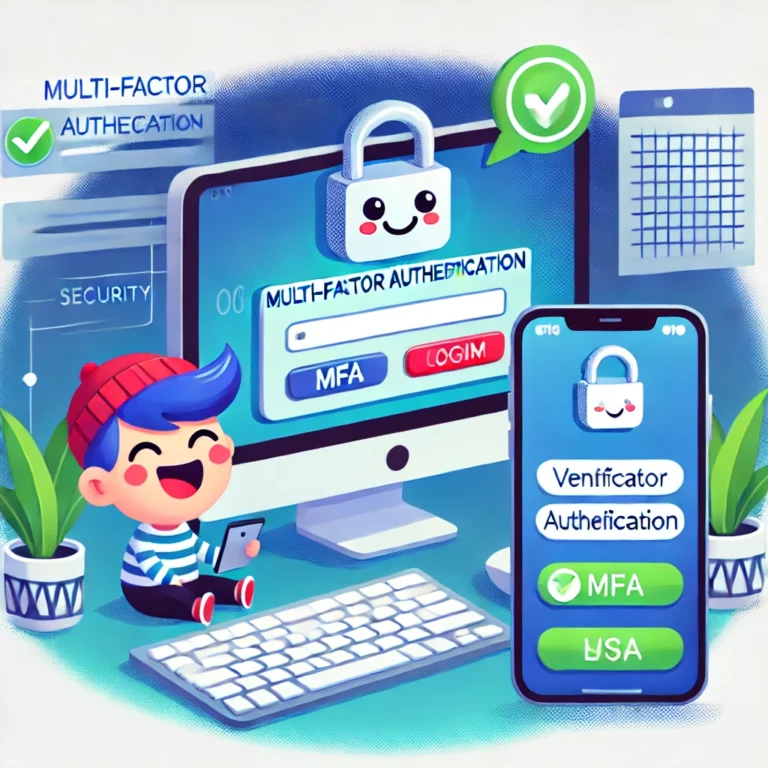
As a minimum a quality business grade router or firewall, monitored antivirus endpoints, two factor authentication and cyber awareness training are recommended. For most businesses, these would be sufficient security precautions. End users remain the weakest link in all cyber security systems currently.
One standout trend is the rise of digital workflow solutions. Automating common processes, from invoice approvals to leave requests, saves time and reduces errors. If you haven’t yet explored low-code platforms or process automation, now may be the time. Make sure to explore what is possible with the systems your business already uses as it is common to be underutilising existing paid tools.
Ultimately, the most valuable investments are those that improve flexibility without creating unnecessary overhead. It’s worth reviewing which subscriptions you use regularly, how staff are engaging with them, and whether training gaps exist. A simple survey or usage report can reveal which tools deserve continued investment.
Hybrid work is here to stay in some form, but it doesn’t mean you need to fund every possible solution. With a clear picture of what actually supports your teams, you can keep costs under control and productivity high.
It is worth discussing your hybrid working requirements and existing provisions with your IT provider or a trusted IT professional. If you don’t have one or would like a second opinion reach out to the GroupSupport IT team at support@groupsupport.com.au or 08 9277 1768
*GroupSupport offer a secure data cleansing and re-purposing service to prepare a work laptop for gifting without risking your company data.