Quantum Computing: What It Means for Your Business
Quantum computing has been a buzzword for years, but it’s no longer just theoretical. Major players like IBM, Google, Microsoft, and a wave of startups are pushing quantum development forward—and businesses need to pay attention. While we’re not quite at the point of replacing conventional infrastructure, the time to start understanding the risks and opportunities is now.
So, what does quantum computing mean for the average business?
What Is Quantum Computing (And Why It Matters)?
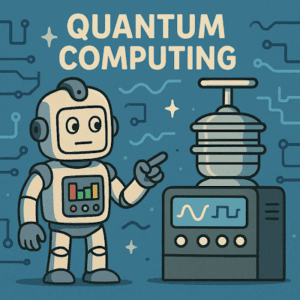
Unlike traditional computers that process information as binary bits (0s and 1s), quantum computers use qubits, which can be 0 and 1 simultaneously thanks to a phenomenon called superposition. This, combined with entanglement and interference, allows quantum systems to process complex problems in minutes that would take classical computers years.
The result? Quantum computing won’t replace everyday IT systems—it will supplement them by tackling problems that are too complex, too time-consuming, or too expensive for classical computing.
Business Impacts: Risk and Reward
- Encryption and Data Security
Perhaps the most urgent concern is encryption. Today’s encryption methods (RSA, ECC) could eventually be broken by quantum computers. For industries that rely on confidentiality—finance, legal, healthcare, e-trading —this means preparing for post-quantum cryptography. Forward-thinking businesses should begin assessing their data security lifecycle now, especially for long-term sensitive information. - Faster R&D and Innovation
Quantum computers will drastically reduce the time required for simulations and modeling. For sectors like pharmaceuticals, manufacturing, materials science, and energy, this means faster innovation cycles, more efficient testing, and major cost savings in R&D. - Optimisation at a New Level
Whether it’s logistics, supply chain management, or financial modeling, many businesses rely on solving complex optimisation problems. Quantum computing can help discover far better solutions in less time—resulting in leaner operations, faster deliveries, and more effective resource allocation. - Artificial Intelligence and Machine Learning
Quantum-enhanced machine learning could push AI beyond current capabilities, offering more powerful forecasting, pattern recognition, and predictive analytics—giving companies that adopt early a strategic edge.
Should You Act Now?
Quantum computing isn’t production-ready for most use cases yet, but early adoption is on the horizon. The biggest mistake businesses can make is ignoring it until it’s too late.
Here’s what you can do now:
- Educate your leadership team about quantum’s potential impacts.
- Start quantum risk assessments—especially around cryptography and long-term data protection.
- Watch the market: Monitor developments from major vendors and quantum SaaS platforms.
- Partner strategically with vendors exploring quantum-safe solutions.
The Bottom Line
Quantum computing will reshape industries—it’s not a matter of if, but when. For business leaders, the goal isn’t to jump in blindly, but to stay informed, plan ahead, and position your organization to adapt when the time is right. The businesses that start preparing today will be the ones leading tomorrow.